Understanding trouble with 9545077462 involves recognizing repeated failed connections and abrupt drops, suggesting possible misrouting or device compromise. The discussion examines verification of caller identity, routing checks, and firmware integrity as first steps. It also outlines data protection measures, including authentication, filters, and limited exposure of information. Readers will find concrete actions to block, filter, and secure data, then consider how to prevent recurrence—a practical path that invites closer scrutiny of each step.
What Troubles 9545077462 Might Signal
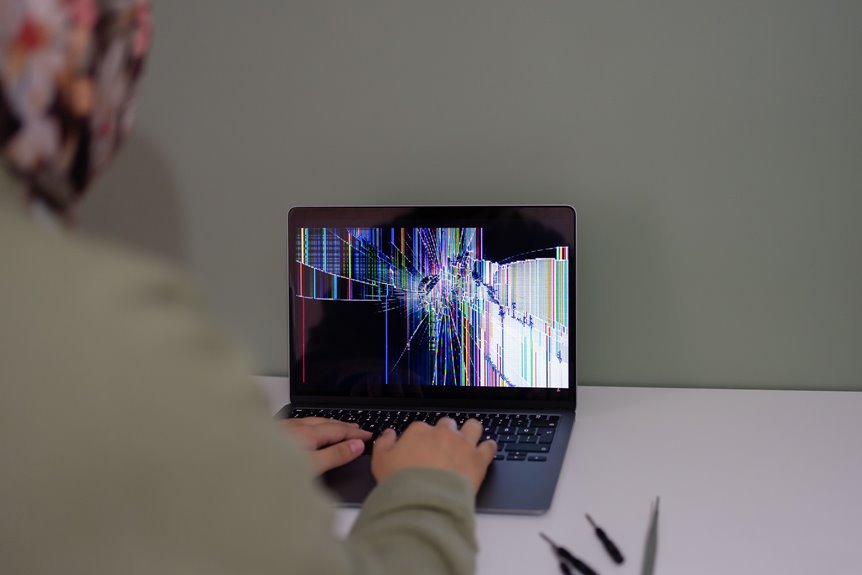
Possible issues signaled by 9545077462 include repeated failed connections, abrupt call drops, or inconsistent call quality. In such cases, patterns emerge: malfunctioning networks, misrouted signals, or compromised devices. Unwanted calls may accompany these symptoms, signaling possible intrusion. Privacy risks arise when data traffic is intercepted or misused. Systemic investigation should verify routing, firmware integrity, and authorized access to maintain freedom and security.
How to Verify Who’s Calling and Why It Matters
To verify who is calling and understand why it matters, the article now examines reliable identification methods and their rationale.
Verification calls offer objective confirmation, while caller identity helps assess risk and context.
This approach favors user autonomy, enabling informed decisions rather than blanket trust.
Clear indicators, documented processes, and transparent criteria underpin safer communication without compromising personal freedom.
Practical Steps to Block, Filter, and Protect Your Data
Practical steps to block, filter, and protect data begin with a deliberate assessment of what information is exposed and where it resides. A detached evaluation identifies risk, then concrete measures follow: minimize exposure, strengthen authentication, and apply targeted filters. Data privacy prioritizes user agency; threat assessment informs responses. Clear, actionable routines empower individuals to reduce friction while maintaining freedom and control. blocklists management, privacy hygiene
How to Prevent Recurring Calls and Stay Safe Online
Recurring calls often indicate compromised contact channels or compromised devices, and a disciplined approach helps reduce them while enhancing online safety.
To prevent unwanted calls, review app permissions, update software, and enable caller ID and spam filters.
Maintain robust passwords and two-factor authentication to protect accounts.
Practice cautious sharing, minimize data exposure, and respect phone privacy to reduce recurring contact risks.
Frequently Asked Questions
How Can I Report This Number to Authorities?
The reportable action is to contact local authorities or a national scam helpline. The detached observer notes reporting procedures and scam identify steps, ensuring evidence is preserved. Freedom-seeking individuals document dates, numbers, and screenshots before filing with authorities.
Will My Carrier Reimburse Any Penalties From Spam Calls?
Answer: It depends on the carrier and policy; some reimburse penalties if spam blocking or spoofing were incorrectly billed. The reader should consult the carrier’s terms, seek formal dispute channels, and document calls, timestamps, and complaint numbers.
Can My Voicemail Transcribe 9545077462 Messages Accurately?
Voicemail transcription accuracy for 9545077462 depends on the carrier; generally decent but not perfect. Spam filtering and call blocking legality influence reliability. Carriers may reimburse penalties only if policy covers issues, not transcription errors.
Are There Legal Limits on Blocking Legitimate Businesses?
Blocking legitimate businesses may run afoul of consumer protection or contract terms in some jurisdictions; laws vary. The analysis considers blocked numbers and call screening practices, emphasizing transparency, consent, and lawful use within a framework that respects freedom.
What Third-Party Apps Have the Best Call Protection?
Third-party apps offering strong call blocking and privacy safeguards are often led by reputable providers; they balance transparency with control, reinforcing user autonomy by filtering spam while safeguarding data and permitting opt-out choices.
Conclusion
The article concludes by noting that trouble from 9545077462 often signals misrouting, compromised devices, or inconsistent quality, demanding methodical verification and swift action. It emphasizes verifying caller identity, inspecting routing paths, and confirming firmware integrity, paired with robust data protection measures—filters, blocklists, and minimal data exposure. With proactive updates and strong authentication, risks diminish. The guidance functions like a well-tuned shield, steady as a compass guiding through uncertain signals, ensuring privacy and safer online communication.